Sunshine and Lucre
Thirteen-year-old Jim Skeates stood in a labyrinth of possibilities.
1999
Kelowna, British Columbia
19 July
Thirteen-year-old Jim Skeates stood in a labyrinth of possibilities.
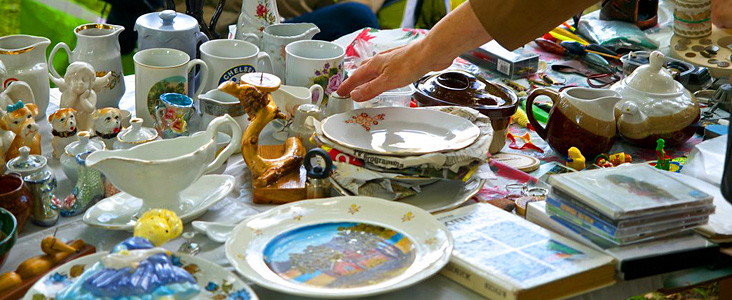
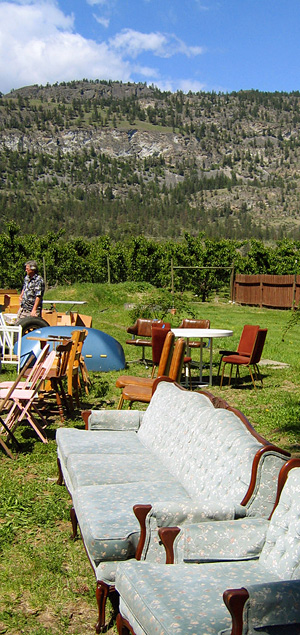
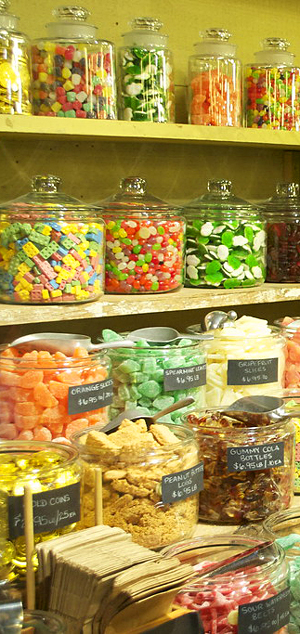
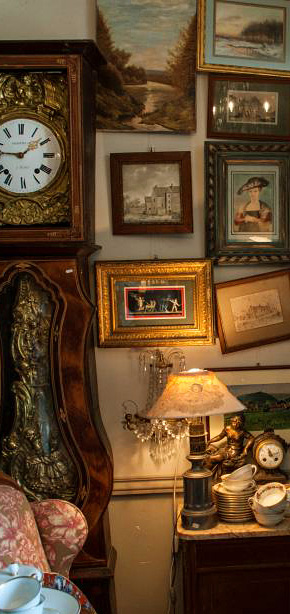
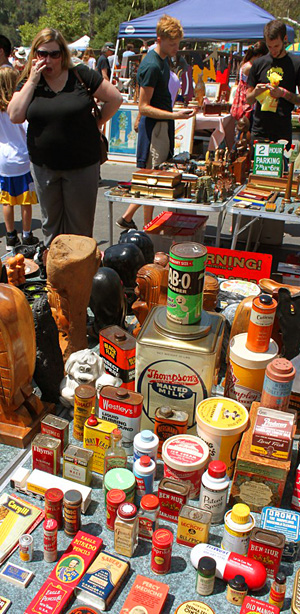
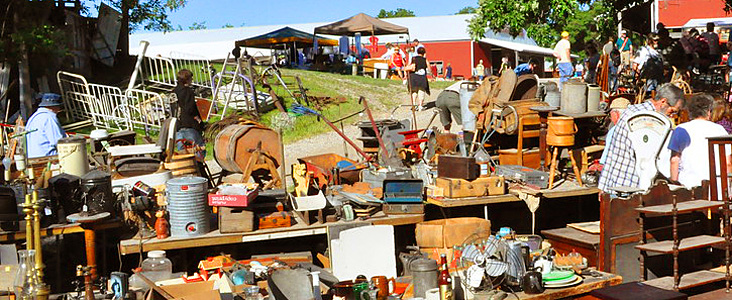
Corridors of furniture stretched out in every direction, winding around and through each other with no obvious rhyme or reason. Tables, couches, chairs, more tables, dressers, desks, every form of fancy box known to man, most of them covered in smaller sundry objects of every imaginable description. Books. Games. Toys. Jewellery. Clothing. Unidentifiable curios.
And beneath his feet, the thing that made this all so magical and implausible… grass. His head was buzzing something fierce.
"Take it."
He looked up, and took the proffered cardboard tray of gravy-slathered fries from his mother's hand. She was already stabbing at her own tray with one of those horrible wooden forks, the kind that made his teeth hurt, the kind that reminded him of tongue depressors.
He figured the gravy would distract him from that, and he was absolutely correct.
"Find anything?" he asked, between bites.
"Don't talk with your mouth full." His mother sat down on the nearest couch, and he laughed at the look on her face when she sank down so far that it almost seemed she'd plunged right through the fabric. "And yeah, I've found lots. How about you?"
His mother had provided him with a clear plastic bag at the outset of this expedition. The garage sale portion of the estate sale, where the items of lesser consequence would be flogged off to whet appetites for the auction, was routinely patrolled by a trio of agents with red felt-tip markers who would exchange cash for slashing a little red line across the price tags on each item. Jim had made sure the stickers were facing out; people tended to be suspicious of a young boy walking through a collection of bric-a-brac with a bag, and this served to deflect all but the most persistent questioners.
Jim sat carefully beside her, enjoying the brief sensation of weightlessness before the couch springs finally made their presence known, then reached into the bag. He wished it left a little more to the imagination; he felt at least a few of these finds were worthy of a more dramatic presentation. "Well, I got a time-travelling book." He handed it over.
His mother considered the book carefully. It was a copy of Jurassic Park by Michael Crichton, paperback, black cover with a striking red-and-yellow sigil. Film tie-in. It looked like it was falling apart, but then so had their copy back home after multiple reads. "What makes you call it that?" his mother queried.
"Open it up." He felt a little giddy, displaying that level of cheek to an adult, but he knew where the lines were.
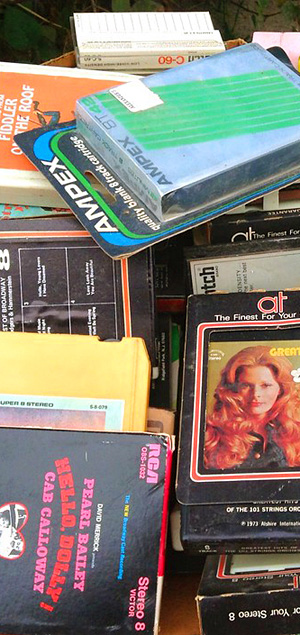
Her eyes widened a little when she saw the handwritten note on the copyright page, which she read aloud: "How far we have come from the shore. Mary Anning." She nodded. "This is definitely something. But why did you know?"
"Two reasons." He set the fries on the armrest, scooched up closer beside her and pointed while she held the book open. "The width of the writing changes from letter to letter; pens don't do that. Fountain pens do that." He had butterflies in his stomach, now. "And look at the colour of the ink! It's brown. This book was printed in 1993, see?" He tapped the copyright notice. "It takes, like, a hundred years for ink to turn brown. And check out the pages." She let him take the book from her hand; he closed it, and turned the bookblock to face her. "The whole thing's gone yellow."
"Could've been left in an attic," she remarked noncommittally.
"Yeah. I think you're right. I think it was left in an attic."
She waited.
"For a hundred years."
His mother laughed, and squeezed his shoulder, and he knew he'd found a winner. "Good eye, kid. What else you got?"
Even with this confirmation, it was still a bit of a shock when he learned that Mary Anning, the mother of palaeontology, had died more than a century before his own mother had been born. But that was later, at the library, in the dull and borrowed incandescence of artificial light. Right now there was real sunshine, and couches on grass, and French fries with gravy, and a bag full of mysteries he was allowed to hold even though he could not yet fully comprehend their provenance.
West Branch, Iowa
12 April
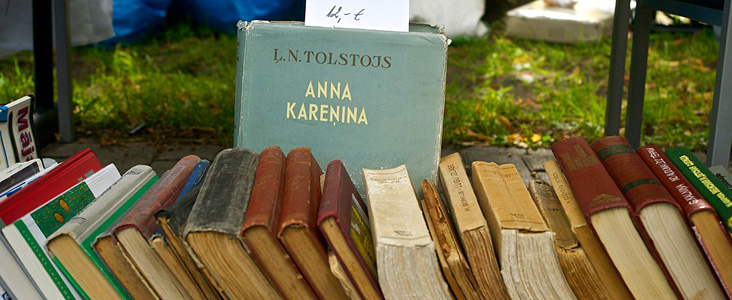
Jim's parents had given him The Talk earlier that same year. He was the right age for what that usually entailed, but as a kid who'd much rather sit on his bedroom floor and build LEGO with the radio on than attend school dances or hang out at the mall, the Talk his actions precipitated was altogether different.
The chain of events stretched back to when he was only eight years old. He'd started getting headaches — bad ones, migraines — and his family physician had been completely at a loss to explain them. Jim didn't have a brain tumour, he didn't consume too much caffeine (he preferred grape juice boxes to soda), and the usual triggers like changing weather or household stress had no effect on the manifestations. In desperation his parents had finally taken them to a specialist, who turned out to be their specialist; Jim was still too young to realize that most families didn't have two family doctors. Dr. Kim had prescribed a weird little yellow pill which he was to take every morning at breakfast, and which he was absolutely forbidden to talk about with anyone outside of his immediate family. The migraines immediately went away, and even when he occasionally forgot to take the pills, they only rarely came back… but his suspicions had been aroused, and he was just beginning to develop some serious pattern recognition skills.
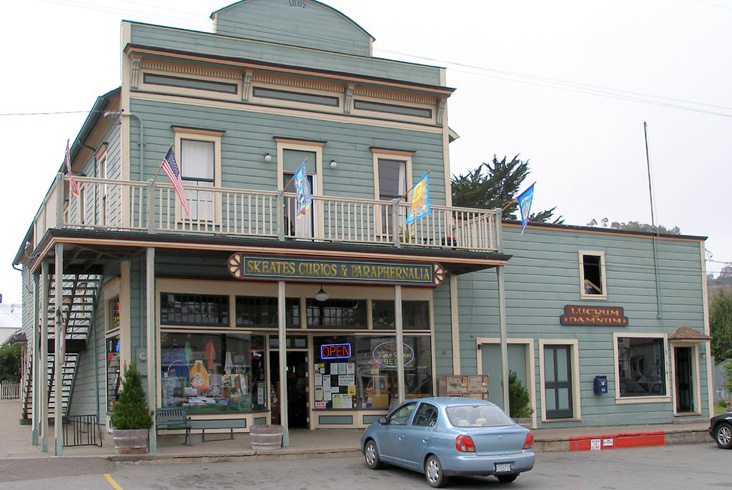
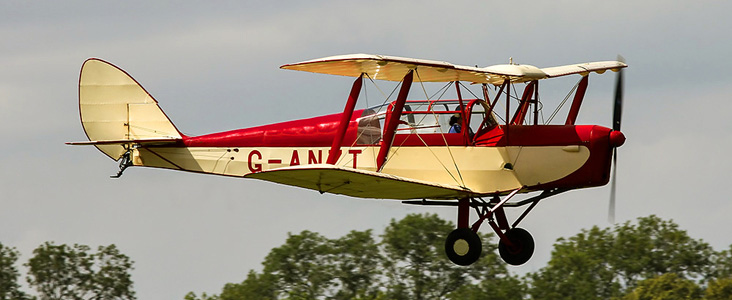
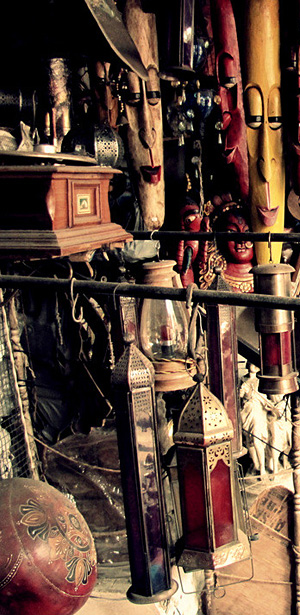
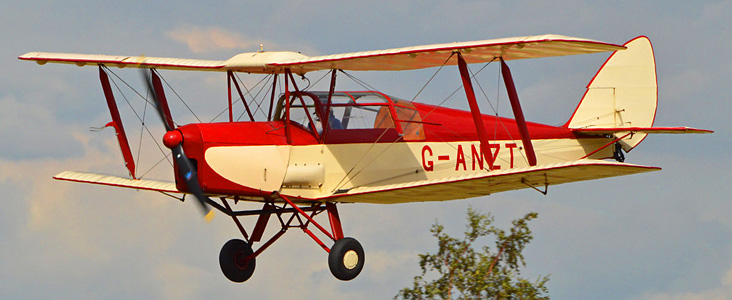
Those skills told him something was definitely up with his mother's general store. Skeates Curios and Paraphernalia was a modest Victorian building full of antiques, candy, novelties and handicrafts in a town of about twenty-two hundred people. It apparently supported their little family of three, which was not outside the realm of possibility… or it wouldn't have been, if not for the fact that the Skeateses 1) owned a custom four-seater airplane, a British model with an exceedingly unlikely name — the "Thruxton Jackaroo"; 2) took frequent purchasing trips for their small shop across the continent, hopping from airport to airport in two-hour spurts of about two hundred and fifty miles; and 3) vacationed in Florida every year, without fail.
His father was a pilot, but he hadn't flown commercially for years, and on those summer days when Jim watched the till for his mother he was damned if he could see where all the money was coming from. He'd been able to extract an explanation for the store's longevity, if not his family finances, from his uncle Dewey on one of their Florida trips: Dewey ran a private firm called Profit and Loss which invested heavily in small American businesses, for reasons he declined to explain. This was the kind of information which begged more questions than it asked, but Jim's parents weren't the kind who answered every question posed to them, so he was left with his suspicions and little else. He'd tried to look up Profit and Loss on the internet, which was a pain in the ass since his dad had to plug it in and type out the login password, and had a nasty tendency of hovering in the background while Jim browsed. He'd eventually given up and tried checking it out at school, only to come up against the net nanny — an infuriating image of a Labrador Retriever, and the caption "Bess Can't Go There."
Well, to hell with Bess. If even the digital dog was in on this, it had to be something big.
The final straw was The X-Files. His mother had consistently identified it as his father's favourite show; this was how she described any show that she, herself, did not enjoy. His father's favourite shows included, simultaneously, Nowhere Man with Bruce Greenwood (she didn't like Bruce Greenwood because he always played a villain, which seemed a bit circular to Jim), Kung Fu with David Carradine (he'd apparently wandered into her store one day, drunk, demanding that she set all her stuffed animals free, so she didn't much like him either), and The X-Files with David Duchovny and Gillian Anderson. Jim wasn't sure why his mom didn't like that one; she didn't seem to have any history with Duchovny, at any rate. But though Jim and his dad always watched the show alone, he chose to ask them both the question it had prompted.
They were all having dinner together one night, as they always did, when he said apropos of nothing: "Are you FBI agents?"
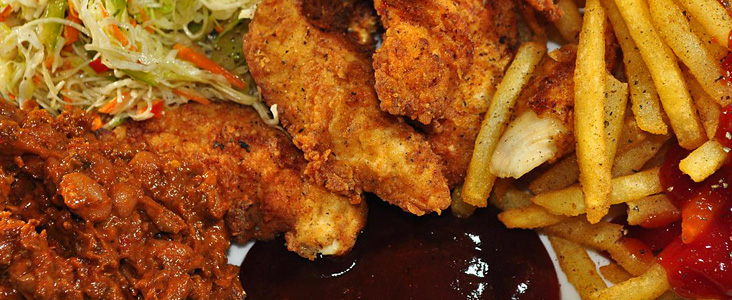
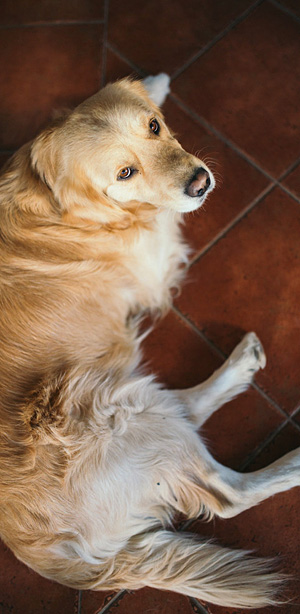
He'd timed it so they were both about to take a bite; his mother had a French fry in one hand, his father had speared a chunk of chicken finger. Both morsels froze in place just inches from their faces as he tossed a fry to their dog, Prudence, who was waiting patiently on the tiled floor. She knew she didn't have to beg.
His mother spoke first. "You know we're not FBI agents."
"Not really," he said.
"Yes, really." His mother got up to go to the fridge, swinging one hand in the air just above his head. He felt his hair whoosh upward; the dog got up to follow her. "Don't ask stupid questions."
"Why is it stupid?" He turned to watch her crack open a bottle of beer. "You know why I asked to use the internet last night?"
"You said it was for a school assignment," his father remarked evenly.
"I say a lot of things," Jim grinned. "I looked up front organizations instead, and I'm pretty sure we own one."
His mother came back to the table, pushing in his chair so that his stomach squished against the table. He made mock gagging noises as she sat down; he heard the dog's claws scrabbling on the floor as she, too, relaxed again. "What's it a front for, then?"
"The X-Files."
His father laughed. "Come on."
"I'm serious." Jim pushed his chair back again. "Some shady guy in Florida who is definitely not my uncle gives you money to fly around the country and check out weird auctions and stuff? That's X-Files if ever I heard it."
"Oh, yeah, I remember that episode." His mother tossed back the beer, then wiped her mouth with a napkin. "Sculder and Mully buy a plane so they can fly to Canada and buy furniture for their general store."
"They wouldn't fly to Canada," Jim laughed. "They film it there in the first place. But you wanna talk about furniture? How come you can afford to hire trucks to ship the stuff you buy back home? How come you can afford to bid on that eBay stuff, and get it sent here in the mail? You know what I sold the other day, mom? Five bucks worth of Big Feet and jujubes, and a fake road sign that said 'Easy Street'.
"Did you get the sticker price?" his father asked.
"No, I got an extra dollar and pocketed it so I could get a copy of the World Weekly News and see if my parents were in there, capturing bigfoot."
His parents both responded at the same time. His father started to tell him that the World Weekly News cost more than a dollar, but he didn't get that far because of what his significant other said.
She said: "Bigfoots, plural. And we don't need to capture them; they're already dead."
Jim and his dad watched her finish the beer in silence.
Orlando, Florida
3 May
The flight to Florida took two days and four short hops: Iowa to Illinois, Illinois to Tennessee, Tennessee to Georgia and Georgia to Walt Disney World Orlando. They stopped at a few indoor flea markets so the four of them could stretch their legs; Prudence was getting old, so she didn't much mind the long flights, but Jim was still young even if he wasn't particularly restless for his age. His mother set him loose with ten dollars each time, then looked over the resultant haul with mounting approval. In Memphis he found a promotional pencil for Twix candy bars which had set his brain a-tingling; it looked simultaneously well-used but unsharpened, and a surreptitious check on his notebook showed that it didn't get any shorter no matter how hard he pressed. "The longer-lasting snack," his mother had commented. In Augusta he found two little gems: a prayer book for the Fifth Day Adventist Church whose hymns were not only unfamiliar, they gave him a pain in his head like he hadn't felt since first taking the little yellow pills, and a bag of marbles which each revealed, when raised up to the light, a shimmering core of white energy. "Wonder who lost their marbles?" his mother had mused.
Uncle Dewey was waiting for them at his grandparents' house on Antiques Row. No matter how much time Jim spent there — and they'd visited every year of his life that he was capable of remembering — by the time the next trip swung 'round he'd always compressed most of the experience to his time spent in or beside the swimming pool. They didn't have a swimming pool back home. They also didn't have Disney World, or Busch Gardens, or Universal Studios; skipping merrily from this theme park equivalent of a house to the actual theme parks and back, Jim certainly had an outsized and unrepresentative image of what Florida life was like.
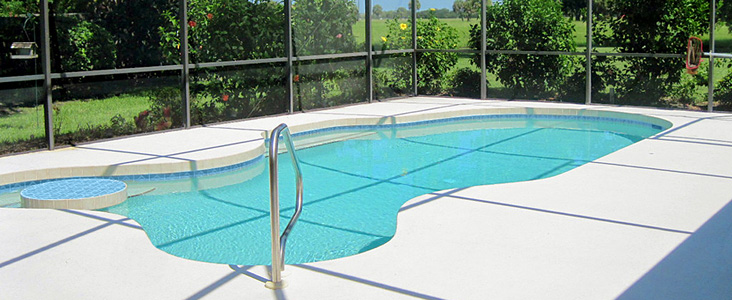
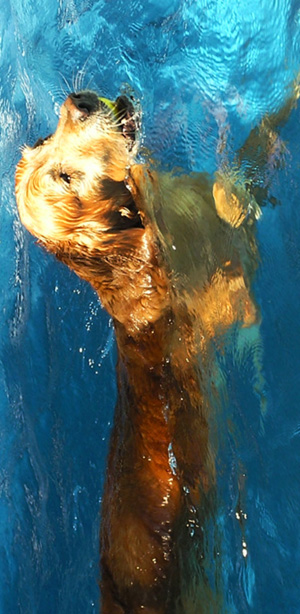
Prudence was paddling in the teal water, gradually clogging up the filters with golden hair in precisely the way that so infuriated Jim's grandfather, as the three adults lounged by the pool. Jim sat on the edge, swishing his toes back and forth, marvelling at the force of the underwater jets. This was magic, the normal everyday kind. The kind your toes could get in on.
"So Jim," Uncle Dewey called, and Jim leaned back attentively. Uncle Dewey was overweight, as all good uncles were, lightly tanned and all smiles except for a certain remoteness in his eyes. Most people didn't notice his eyes; they were too distracted by the scars. "Your parents told me the good news."
"What's that?" Prudence swam over in that messy, embarrassing way dogs swam, as though she'd been called. Jim brushed her back with his toes as she splashed past.
"You've got the gift."
There was hot yellow light streaming in from the glass walls and ceiling, and the sun-soaked pool was tropically warm, but Jim still felt a chill. The gift. There was no reason why he shouldn't like the sound of that — he was thirteen years old, he adored gifts — but he definitely didn't. Actually, there was a reason: he'd tested sufficiently well in public school to get into the gifted class, and for the first time in his life he'd put his foot down on something his parents wanted. He didn't want to be gifted. His friends weren't gifted, and he liked them just fine. He decided in this rush of worry to hedge his bets, so he said: "Not yet. What did you bring me?"
Dewey laughed. It was a hearty, pleasant laugh, but Jim had always imagined the man's heart wasn't wholly in it. He laughed like someone who needed to do it a lot when he didn't feel particularly happy. "I'm more interested in what you can bring me. I hear you get a funny feeling sometimes. About things. Things in your mom's store. Things at sales. Things for sale. I'd like to see that."
Jim shrugged, and stared at his distorted feet in the pool. "Dunno how. It's in my head."
Dewey clicked his tongue. "Well, I know you're on vacation, kid, but I think a test is in order."
Jim knew he also didn't like the sound of that, and this time he knew why.
He was thirteen. He hated tests.
Tampa Bay, Florida
4 May
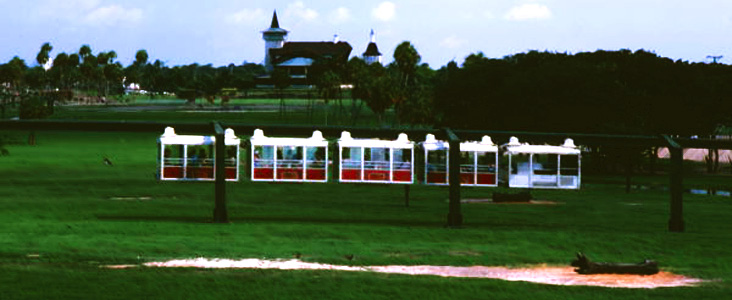
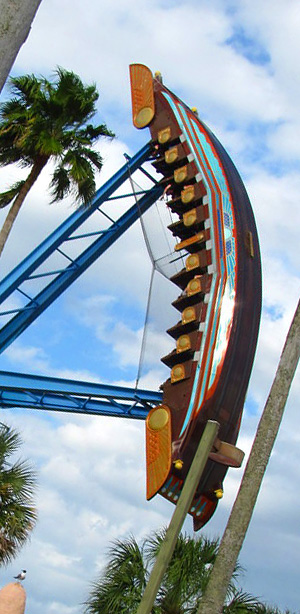
Uncle Dewey's idea of a test was Jim's idea of fun. They took a day trip to the combination theme park and zoo that was Busch Gardens, marvelling at the animals in their landscaped attractions, riding the rides and shopping in the shops. The monorail was the best part, which was actually the worst part because it was apparently closing down for good in just a few days. Jim was struck by the strangeness of that fact, as he looked down from the enclosed gondola and stared at the loping zebra; he was sitting at a vantage point which would shortly no longer exist. He would never again in his life be able to get this precise angle on the world. Then again, he was a growing boy, so that was true of every angle he assumed.
It didn't make him feel any better.
What did make him feel better was the shopping. His mom bought them all branded baseball caps, which he dutifully affixed to his head even though it didn't fit quite right — nothing fit Jim's head quite right. He liked to tell people that the culprit was his big brain; his parents liked to laugh, in tandem, when he did this. Something started tingling in his head as he browsed the toys and games, however, and it had nothing to do with the hat's tight band. There was something here. There was…
Jim darted forward, thrust his hand into a wicker barrel, and pulled out a small rubber crocodile. "Here," he said. "It's this thing." He peeked over the barrel's edge; there were zebra and giraffes and lions and tigers, but no bears… and no other rubber reptilia.
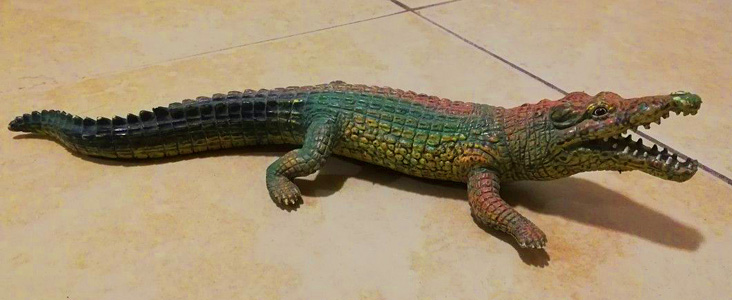
Jim brandished it at his 'uncle', who had already been watching him closely. "Crocodile."
"Alligator," Dewey corrected gently, taking it from him and testing its weight. "Crocodiles aren't from Florida."
Jim wasn't sure that was precisely correct; he was about to say so when he jumped out of his skin.
"Neither are lions." The speaker squeezed his shoulders; it was his mother. "Or giraffes."
"Still, it's an alligator." Dewey glanced around the flashy surroundings of the shop; they were alone. Jim's father was chatting with the man behind the till, pretending that chatting was something he enjoyed. It was not. The coast thus cleared, Dewey continued: "You sure this is your pick? Nothing else strikes your fancy?"
Jim nodded. "My brain's itchy when I look at it. I could tell there was something here as soon as we came in."
Dewey made one of those oh, I see faces that adults thought were friendly instead of condescending, and followed up with another question. "Do you know what's special about it?"
Jim considered. That wasn't really how the feeling worked, precisely; he could sometimes sense the specifics of the wrongness, but he didn't know how much of that was magic and how much of that was pure deduction. His parents might laugh, but he really did have quite the big brain.
Still, he had nothing to say about this particular item. Lacking useful information, he decided to take the chance to appear philosophical instead. He thought about the disappearing monorail, and the zebras from the sky, and he said: "If nothing else, it's a souvenir from a darn good day."
His mother shook him gently, and Uncle Dewey laughed as she got her wallet out of her fanny pack.
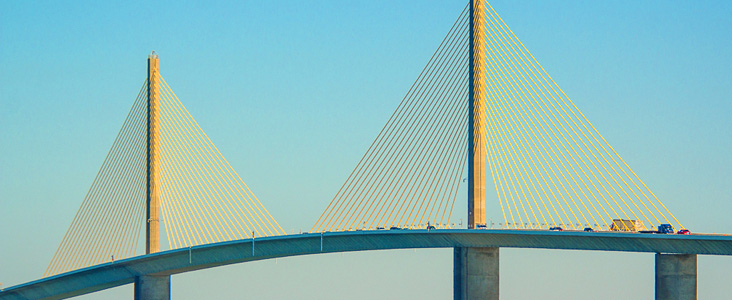
They dropped Dewey off at what he called a Profit and Loss testing centre, the rubber alligator in an opaque plastic bag; unlike Jim at the estate sale a few months later, an adult with a single child's toy in a clear bag would have been a sight worthy of further investigation, or at least gossip. After the portly man disappeared into a strip mall — "Just trust me, he's gone," Jim's mother had assured him — they took a leisurely drive over the Sunshine Skyway bridge. The view was breathtaking, the architecture was striking, and to Jim's surprise the radio was playing some of the songs he'd heard on last year's trip up to Ontario. Most Canadian music, he'd quickly learned, only existed within the bounds of Canada. Apparently the government paid them to make it.
He was glad that the trip was so spectacular, he was glad that his mother had bought them all hats, and he was glad that he'd made his monorail memories, because by the time they got back to the house in Orlando there was bad news on the answering machine: Dewey's doctors could find nothing at all special about the alligator. That was a bitter disappointment, though he was somewhat cheered when he heard, in the middle of the night, his mother arguing fiercely with someone over the telephone. His parents, as always, were in his corner.
His mother was out for the entirety of the next day, and when she came back, she had the alligator with her. She gave it to Jim; Jim tossed it into the pool, and watched it sink right to the bottom. He thought nothing further of it until they were sitting on the patio, the sun setting behind the palms, the three of them snacking on Pringles — in Florida, he'd come to learn, it was always snack time — and Prudence came trotting over, soaking wet, with something in her mouth.
Jim's dad let out a surprised yelp. "Where the hell'd you get that?"
"What is it?" his mother asked, craning forward in her chair. "What's she got?"
"Don't look, Jim," said his dad. Jim could see that the thing was ragged and green and bloody; the blood, to his surprise, was red. "Uh, some kind of lizard. Maybe a gecko."
But it wasn't a gecko, of course. Geckos didn't have red blood.
Alligators did, though.
Yellow Springs, Ohio
21 June
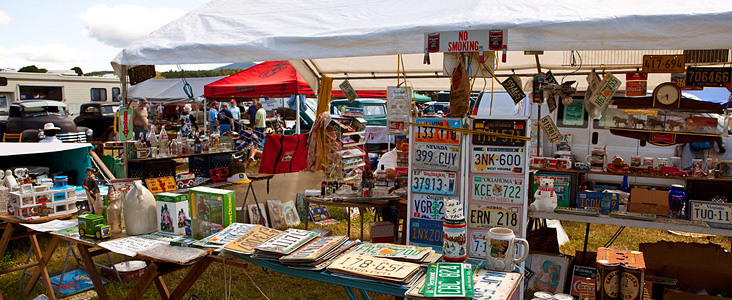
Jim didn't know the word 'liminal', but he lived it all that summer. Flea markets were liminal spaces by definition — not in the sense of a place untravelled and transitionary, but instead nebulous and transitory. To be liminal was to be on the edge, at the boundary, across the line, and that was flea markets to a tee. They were tiny little self-contained worlds, strange fleeting flurries of frantic activity. There was no distinction between public and private, between living spaces and places of business; his mom drove into what was usually an open field, parked her minivan at the edge of the pop-up tent town, popped the trunk, and they were part of the throng as officially as they could be in this unofficial community.
They were ostensibly out selling the unsellable: Jim's aunt had made clocks out of hubcaps she'd found at his uncle's scrapyard — his real uncle, his father's brother — and Jim and his mom were flogging them at markets across the Midwest. They took turns sitting in the back of the van, taking in the sunshine and occasionally, though not often, taking in some petty cash. The real fun was in walking the booths and stalls and rows of cars and tarps spread over the bare patches where grass wouldn't grow (because too many tarps had been spread there before, his mother speculated cynically), searching for treasures. Even with his natural advantage, Jim found himself struggling to compete with his mother's alarmingly good eye for what he now knew to be called 'the anomalous'.
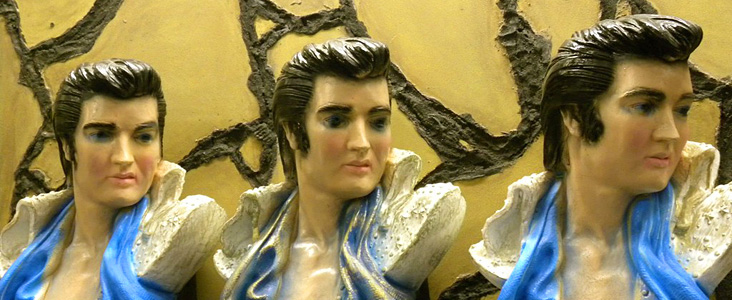
On this balmy June day in Ohio he found two ladies arguing over a bust of Elvis, which both apparently desired to purchase. They were saying terrible things to each other: "It was women like you who killed him," one of them spat, and she'd put a little real spit into it, and that set the spat in action for real. By the time Jim decided something was definitely off, however, and resolved to do something about it… his mother walked right into the tent and positioned herself between the combatants and their prize.
And without speaking another word, glancing nervously at each other and adjusting their rumpled clothing, they turned and walked away in opposite directions.
Jim had gotten the buzz in his head, and stumbled on the fight accidentally. His mother had seen the fight at a distance, and noticed that the women hadn't broken eye contact with Elvis for the entirety of the altercation — not even to spit, so the spit had ended up on the grass where it could do no lasting harm.
Just like Elvis, cooling his invisible heels at the bottom of a cardboard box in his mom's van. Five dollars.
"Don't know what the big deal is," the vendor threw in for free. "Got a cousin makes these things down in Tennessee, they're dime a dozen." He winked at Jim. "Plus markup, you understand."
He did understand; while his mother stuffed newspaper in the box, shielding Elvis' eyes from the suspicious minds all around, Jim casually asked for and received said cousin's business address.
He didn't know what an MTF was yet — he was just turned thirteen, and the secrets came slowly — but his mother assured him the following week that he'd made one very happy indeed.
Mississauga, Ontario
1 July
Thirteen years old was far too old to be singing along to Dolly Parton and Kenny Rogers in the backseat of his mother's van; it was certainly too old to be pretending that the dog was his partner in the duet. The dog herself was too old to be anything but begrudgingly compliant in whatever adolescent shenanigans Jim had in mind, and his mother was singing along in the front seat, too, so he took the opportunity not to act his age as he'd been doing for the first three of his teenage years. He knew the summer didn't last forever.
His grandfather had died a week ago; he'd been fine when they visited, and died the next day. Apparently life was like that.
Also apparently, they were keeping the house in Orlando — even though his grandmother swore she'd never make the trip again. Too many memories, she said.
That part, that turn of phrase, he wasn't sure he'd ever understand.
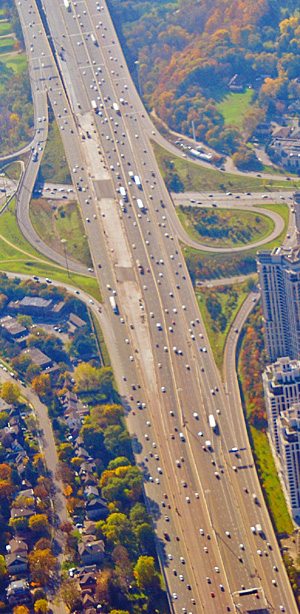
The song concluded and the tape wound down as they pulled off the highway and onto the backroads. Highway 401 had some of the worst traffic in the western world, and anyway they'd be meeting Jim's dad at an unmarked airstrip off the beaten path. They'd be on their way across the country soon; Jim was excited to see the mountains. Ontario was very, very flat.
His mother's cell phone rang, and she dutifully pulled over, yanked out the antenna, and flipped it open. "Hello?"
Jim couldn't hear the voice on the other end, but by the suddenly serious look on his mother's face, he knew it was work-related. "Look, Bob, I'm driving. I'm driving, okay?" Bob was Uncle Dewey, who by now Jim knew was actually named Robert Dewitt. As far as he knew, Profit and Loss didn't go by any other name. He figured he still had a ways to learn. "We can talk about it later. You're not getting… listen to me, would you? You're not getting any older today. It'll keep. Uh huh." She rocked her head back and forth, mouthing an exaggerated blah-blah-blah at Jim, and he knew something really was bothering her. "Okay. We'll be heading out in a couple of hours, and it's the last trip. We'll talk when it's over."
She hung up; there didn't seem to have been quite enough time for a response to have arrived.
The trees blurred past as they headed for the airstrip, his mother's lead foot keeping them moving at a breakneck pace as always. Actually, she seemed a little heavier on the pedal than usual. He wondered why.
He asked why. "What did he want?"
She shook her head. "Work stuff."
"What kind of work stuff?"
She reached over, without taking her eyes off the road, and flicked him in the nose. "Find another cassette."
He went digging in the centre console, looking for the Traveling Wilburys. "What kind of work stuff?"
She sighed.
He almost didn't hear it over the sound of the sprightly guitar, but as they made their final turn and the open field came in view, she asked him: "How'd you like to see Uncle Dewey more often?"
Kelowna, British Columbia
19 July
The sea of junk seemed to stretch on forever, even though he knew that everything eventually had to end. Still this farmhouse field was full of so much clutter and tat that if he'd had to catalogue it all, he knew he'd be here all his life; if he'd had to trace the origins of every object, see where they'd been made and track their courses across the world to end up in a pile or in a box or under someone's foot — oops! that tinkling of crystal was another dollar lost to someone or other — he knew it would drive him totally mad.
Then again, knowing what he knew, he ought to be out of his gourd anyway.
Speaking of his gourd… sat in the middle of the salvage spectacle, pleasantly full from the fries and gravy, marinating in the hot sun (he'd remembered his deodorant, but it was only a memory all these hours later) he felt that tangible pull to itemized adventure again a-buzzing in his skull. His mother had already taken the bag of goodies back to the van, retrieving her card for the upcoming auction, so he knew it wasn't that.
There was still at least one treasure left in this outdoor emporium.
What had once registered as an actual ache in his head was now, thanks to the pills, more like a mental itch. Of course, it wasn't an itch he could actually scratch, but somehow finding the source was nearly as good. He could find it before she got back with the card. She was already proud of him, so he wasn't actuated so much by that as by… well, pride was a sliding scale, wasn't it? More pride was better, as long as it was someone else's and the target was you.
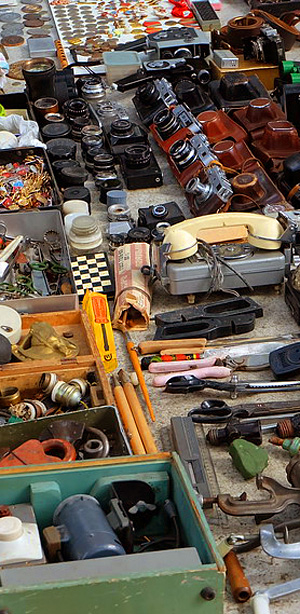
He walked the tables row by row, artfully dodging his clumsy, distracted elders — he was suddenly put in mind of how Hobbits supposedly viewed mankind, bumbling elephantine noise-makers, and he had to suppress a laugh — searching for the mystery object. Was it in that pile of broken telephones? No. The racks on racks of clothing, all of it badly out-of-fashion? No. Was he getting closer?
He was definitely getting—
There it is.
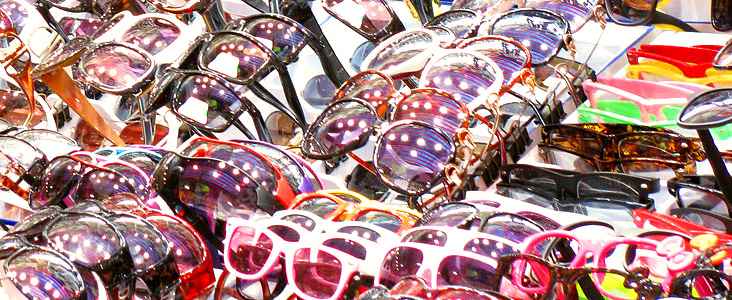
Had he been less intent on the hunt and a little more focused on those pattern recognition skills he'd been building up the past few months, he would have stopped to wonder why there was a table full of sunglasses at a wealthy farm-owner's estate sale. But the heady feeling of having his quarry in his sights was overpowering — or maybe it was the sun churning up the greasy food in his stomach — so he reached out and instinctively found the object of his desires, a set of yellow plastic suns with inset lenses, and without having the faintest idea why he slipped them over his eyes instead of seeking out a price tag slasher.
He'd forgotten what the migraines felt like until that moment. Childhood pain came quick and sharp, because children were quick and dull until they learned to be slow and smart, but the tradeoff was that all the minor scrapes and bruises quickly slipped into the background radiation of nostalgia. This pain wouldn't do that, not ever; it was the pain of all his headaches combined, a sudden gut-wrenching pulse which sent him instantly careening into the nearest table, blindly scattering eyewear and assorted other whatever in every direction.
Someone shouted as he vomited onto the grass. He vomited again. He started to cry.
There was a sudden flash of light, and just like that the pain was gone. There was a crunch, not of crystal but of plastic, and the sound of several people mumbling in perplexity, and as his vision cleared he saw his mother's face: a mask of terror and relief. She pulled him to his feet, and pulled him close.
"Hey," said a voice from behind them. "Are you going to pay for that?"
While his mother sheepishly released him to settle up with the very confused seller, Jim knelt to examine the dashed glasses more closely. His mother's sneaker had thoroughly neutralized the threat… probably… but hadn't done anything at all to efface the branding on the temple tips: "Bank of the Sunshine State."
Peachland, British Columbia
19 July
"It's my fault," his mother told him as the plane touched down. His father executed a perfect landing, as he always did, and the Jackaroo taxied slowly towards them. "It's my fault." She ruffled his hair, for the third time since they'd abruptly left the auction.
"Why, though? What happened?"
She sighed, heavily. "You'll learn. Bit by bit, you'll learn. I shouldn't ever have gotten you into this, but…" She smiled sadly. "Those god-damn migraines. It's not like we had a choice. I'm so sorry they used them against you. I shouldn't have—"
"Who?" He realized she was upset, he realized she felt guilty — for no reason, and he was going to make sure she understood that — but he sensed the presence of that elusive thread again, and this time he was going to pull it until the truth came finally unwound.
Jim's father cut the engine, and climbed out of the plucky little plane. His mother hesitated, then nodded to herself, then said: "It's a buyer's market out there, Jimmy. And we're not the only ones buying."
"Everything alright?" Jim's father called, strolling across the dirt runway with the dog in tow, both of them stretching out the long flight's cramped muscles as the fuelling truck trundled to its task behind them.
"Everything's fine." She reached around and pulled Jim tight. "Had a little scare with the BSS."
Jim's father narrowed his eyes. "Targeted?"
"I think so."
He bit his lip. "So they're watching, then. I guess that settles it."
"Yeah." The word seemed to hurt her. "Yeah, Bob was right. It'll be safer for all of us."
Jim looked from one to the other, waiting for an explanation. His father smiled grimly, and kept mum. His mother looked away, at the distant treeline, then up at the darkening sky.
"The market up here's getting cold," she finally announced, and started walking towards the plane. "Time we flew south."
This time across the continent, the hops were longer and the stops far shorter. The only shopping they did was for fuel and supplies… only Jim by now suspected that even the fuel was gratis, and he didn't know why precisely but those Shirazi-Chauvin Petrochem trucks that met them at every landing site were making him want to scratch at his neurons. Over the course of the week he watched North America recede behind him as the Atlantic Ocean rushed headlong to greet them on the horizon.
It was no shock, after everything he'd seen, to walk the halls of Profit and Loss in Miami — displaying his Level 1 Security Clearance badge to everyone who asked, and a lot of people were asking — and see 'Uncle Dewey' giving orders to men and women in white labcoats. It wasn't even a shock to see the folks in SWAT outfits, or the carts full of assorted gewgaws which, when they passed, made him feel like he'd skipped a dosage.
It was almost a shock when he first saw the door to his mother's new office, and read the label: "Assistant Director Jean Skeates."
It was fully a shock when the Assistant Director sat him down in her chair, spun it to face the window, and pulled up the blinds to reveal the immensity of the sorting room floor below, workers buzzing between junkyard heaps of anomalous goods with blinking devices of every description, but that paled before the revelation of the final mystery:
"Welcome to Procurement and Liquidation, kid."
It tasted better than gravy.
Source: SCP Foundation · CC BY-SA 3.0
Community rating
Was it worth the sleep you're about to lose?